There is a truth among us sushi eaters
There is a truth among us sushi eaters: we are part of a raw fish cult and see ourselves as artistic, well-read, worldly travelers who learned to use chopsticks not because we had to, but because we wanted to.
Today, sushi is mainstream. Five million people in the United States eat sushi at least once a month. It's one of the most beautiful hand-crafted foods and widely considered an artisanal cuisine, representing a culinary artistry valued at an estimated $35 billion globally.
In the 1920s, Kawafuku opened in Little Tokyo, Los Angeles, and is credited with serving the first nigiri-style sushi in the United States. However, it wasn't until the 1960s, when the Mutual Trading Company partnered with Kawafuku to introduce the sushi bar concept to America, that diners could, for the first time, watch chefs work their magic.
Those early Japanese sushi chefs faced quite the uphill battle. Most Americans believed eating raw fish was not only unsafe but practically guaranteed to make you sick. It took some profound culinary courage to change those minds!
The success of restaurants like Kawafuku was made possible by the Mutual Trading Company, located just east of Little Tokyo. As a major importer of everything from authentic sushi knives to specialty Japanese ingredients, they became the lifeline for aspiring sushi restaurants across America.
Leading this charge was Noritoshi Kanai, who came to the US as Mutual Trading's General Manager with an ambitious mission: introduce Japanese cuisine to America while ensuring these new restaurants had all the authentic supplies they needed to succeed. His vision helped transform sushi from an exotic curiosity into the beloved cuisine we know today.
In 1979, Teru Sushi opened in an unexpected Los Angeles suburb called Studio City, a mere 13 miles west of Little Tokyo, where Kawafuku had initially been opened in 1923.
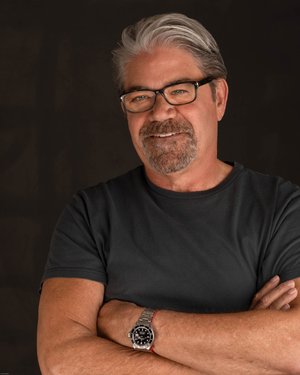
I interviewed Mike Sadighi, who is now the owner of Teru Sushi. Back in those early days, he was a parking valet. He said, "Every night was like the Academy Awards. You could look over at the sushi bar and see Denzel Washington, Steve Martin, and Smokey Robinson. And that was on a Tuesday night! It was quite a time for sushi."
The 1970s and '80s "New Hollywood" era brought a new generation of filmmakers who revolutionized American cinema. Studio City's proximity to the CBS Radford lot, Disney, Warner Bros, and Universal Studios made it a natural hotspot for Hollywood's elite—and some fantastic sushi.
In the 1980s, the transformation of Ventura Boulevard into "Sushi Row" took on a domino effect. After Teru Sushi opened, other incredible sushi masters followed: Chef Kazunori Nozawa, Chef Katsuya Uechi, and Chef Tetsuya Nakao of Asanebo. Each place had its own personality; Teru had a loud celebratory vibe, while Nozawa introduced Americans to Omakase, and Katsuya emerged as the remarkable innovator catering to the American palate, perfecting popular dishes like crispy rice with spicy tuna. Each new place added its flavor to the mix.
Today, Studio City remains an epicenter of sushi, boasting the highest concentration of restaurants outside Japan. It's more than just food; it's an ongoing evolution of unique sushi bars, often tucked into strip malls, each filled with untold stories and distinctive styles. Shaped by talented, colorful chefs and restaurateurs, they've made history by creating a scene unlike anywhere else, where atmosphere and passion are as essential as the sushi itself.
Welcome to Sushi Row—where every restaurant has a story to tell.