

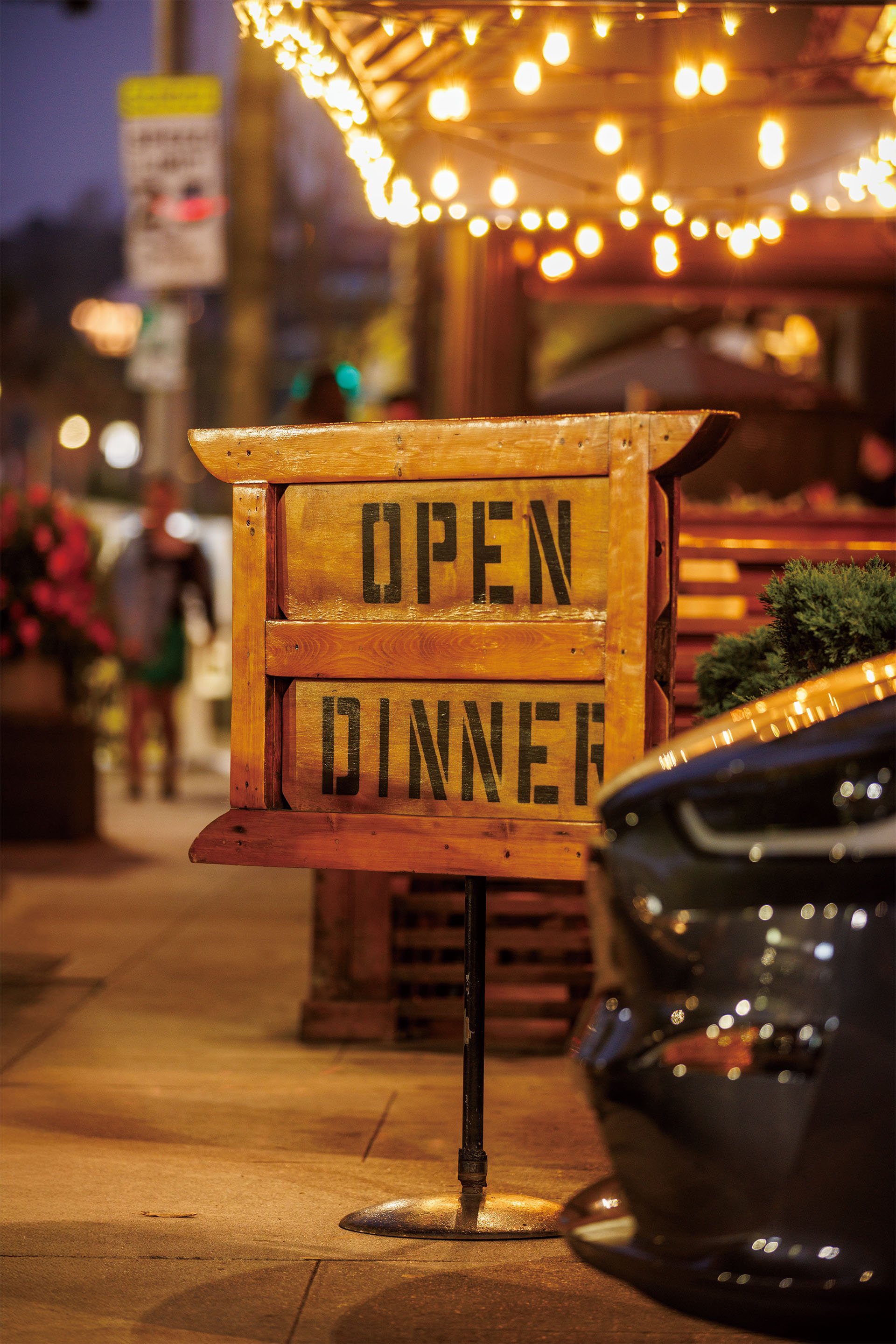
Sushi Row is a coffee table book celebrating one of the most unexpected culinary phenomena in American history. In a seemingly ordinary three-mile stretch of Ventura Boulevard in Studio City, California, something extraordinary happened; this unassuming Los Angeles neighborhood became home to the highest concentration of sushi restaurants anywhere outside Japan, and one of the first places where Americans truly discovered the art of the sushi bar. What began as a simple photography project evolved into a three-year journey documenting the remarkable immigrant entrepreneurs who transformed this stretch of boulevard into a legendary culinary destination that shaped American sushi culture and continues to feed Hollywood's creative elite.

Through intimate interviews and stunning photography, award-winning filmmaker Gary Rose tells the untold stories behind nearly 20 restaurants that turned Studio City into a sushi mecca.
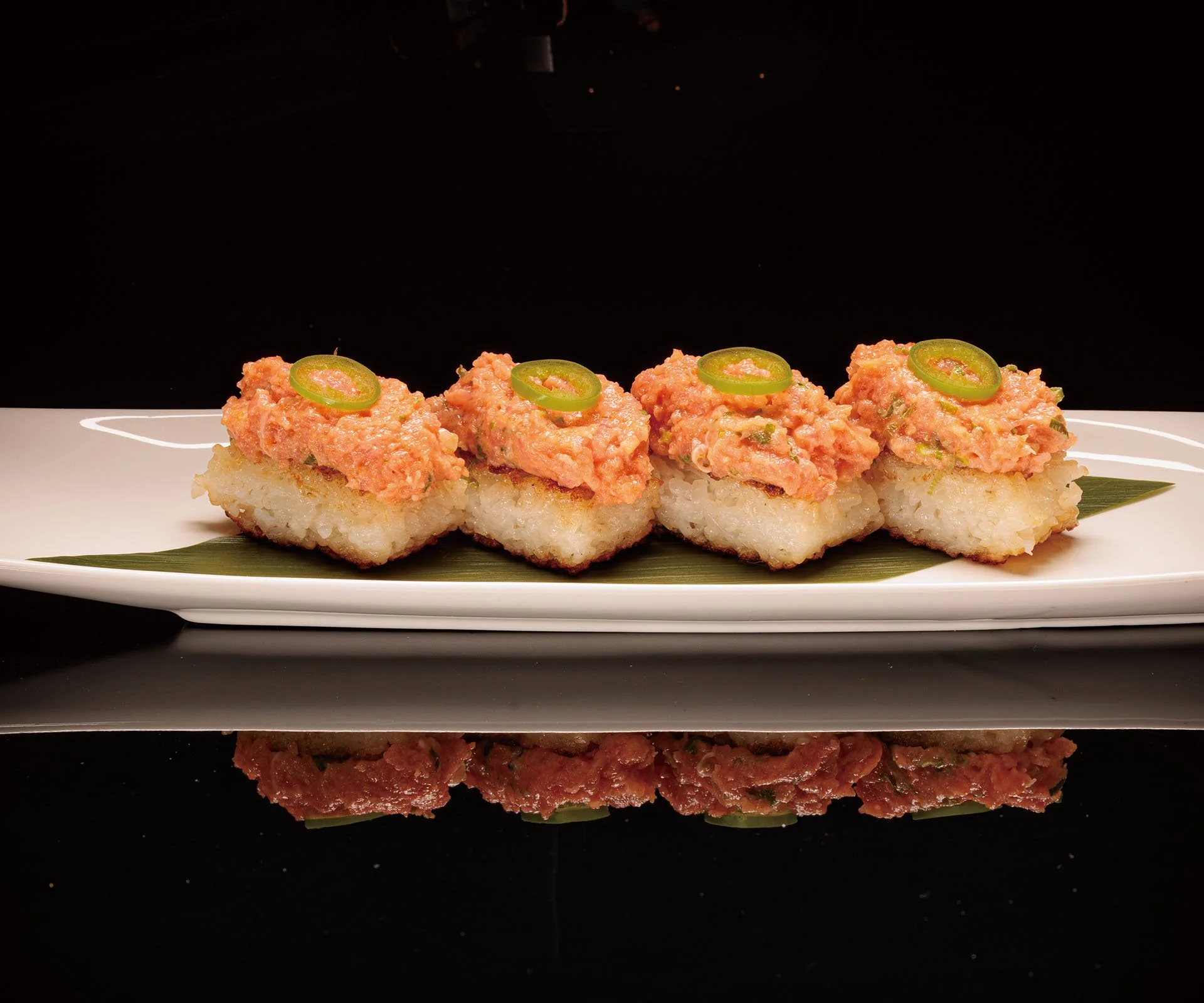
From Teru Sushi's pioneering 1979 opening to Asanebo's improbable transformation from a late-night karaoke bar into Los Angeles's first Michelin-starred restaurant. These are tales of persistence, ingenuity, and the American Dream. Meet Chef Tetsuya Nakao, who worked alongside Nobu Matsuhisa before building his own award-winning institution, and Chef Katsuya Uechi, who invented the now-ubiquitous spicy tuna on crispy rice that revolutionized fusion cuisine.
“These restaurants became the proving ground where dishwashers became head chefs, parking attendants became owners, and one three-mile stretch of boulevard changed how an entire nation thought about Japanese cuisine.”
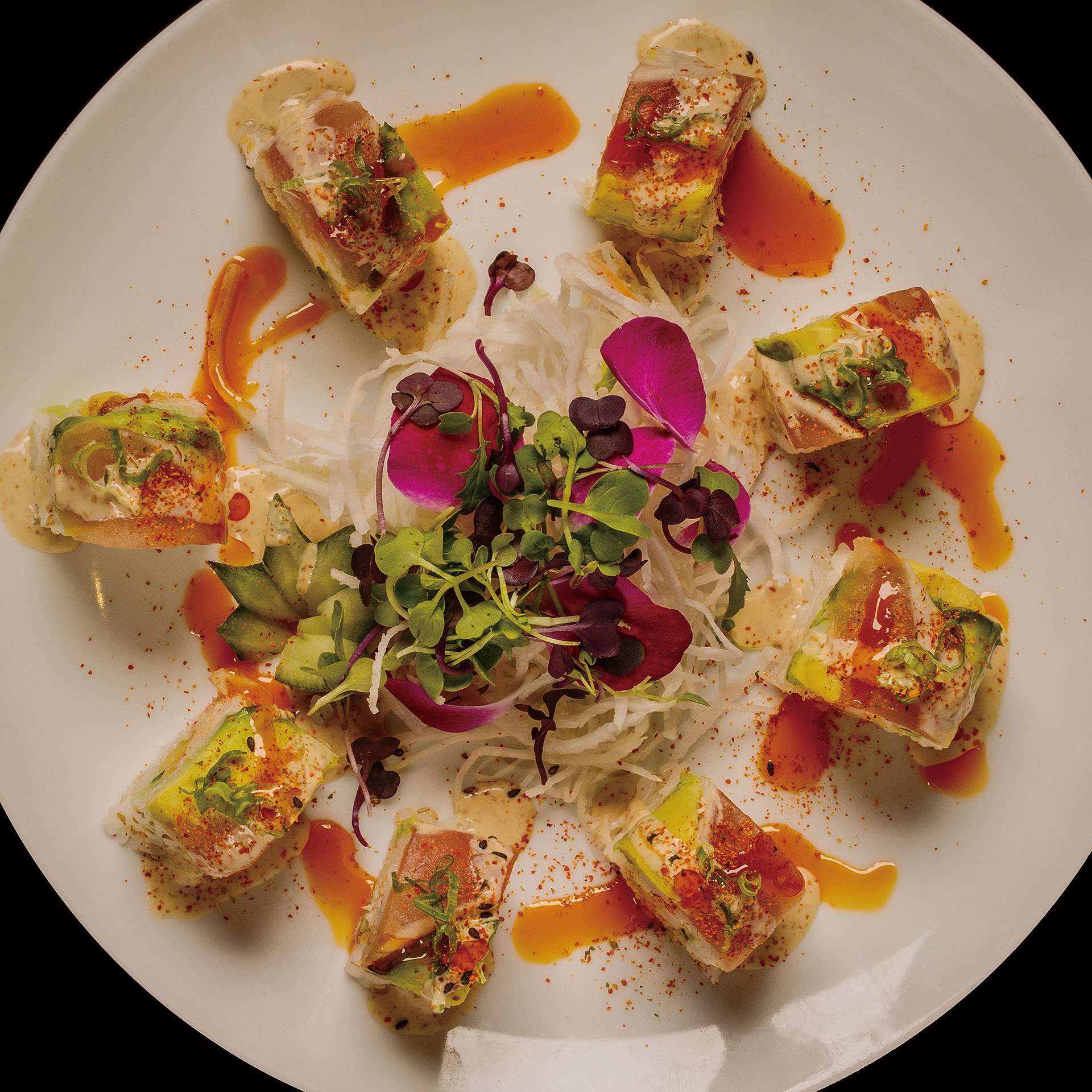
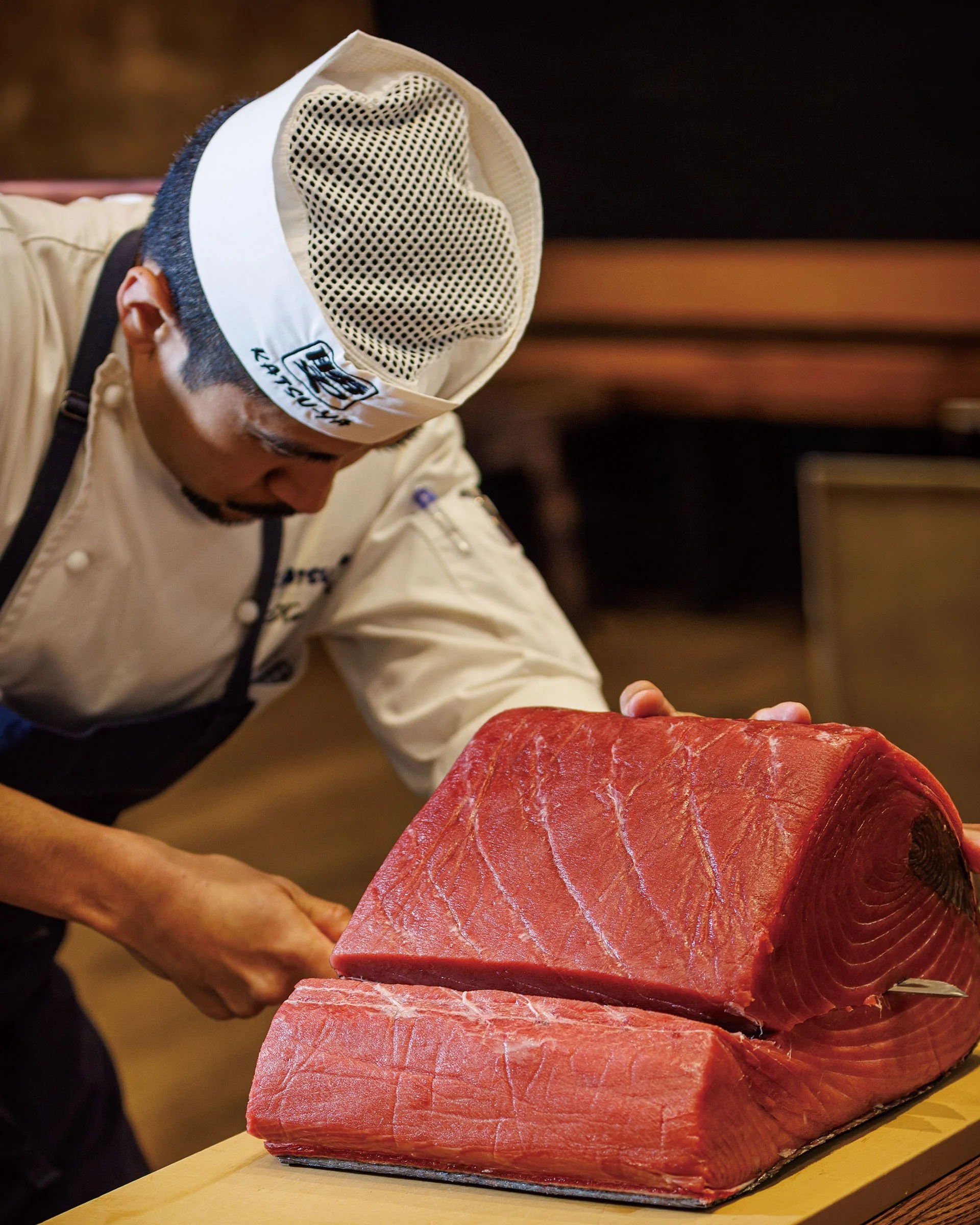
A quick glimpse of Sushi Row